Amazon Affiliate Disclaimer: This post may contain Amazon affiliate links which means we may receive a commission for purchases made through links.
Introductrion: What Are the Rules for Racquetball?
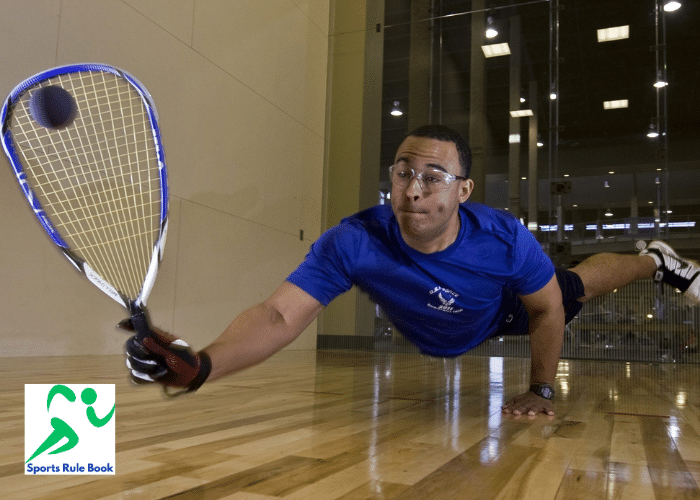
Racquetball is an exciting sport that combines elements of squash and handball, played in an enclosed court with a small rubber ball and a racquet. It’s a fast-paced game that requires agility, strategy, and precise shots. Whether you’re a beginner or an experienced player, understanding the rules of racquetball is essential to enjoy the game and compete fairly. In this article, we will explore the rules for racquetball, covering everything from basic equipment to gameplay techniques and fouls. So grab your racquet and let’s dive in!
Basic Equipment for Racquetball
Before diving into the rules, let’s familiarize ourselves with the basic equipment needed to play racquetball. Having the right gear is crucial for an enjoyable and safe experience on the court.
Racquet
The racquet is the primary tool in racquetball. It is lightweight, approximately 22 inches long, with a wrist strap to prevent accidental slipping during intense gameplay. Choose a racquet that feels comfortable and suits your playing style.
Ball
The racquetball itself is a small rubber ball, about 2.25 inches in diameter. It has a high bounce and is specifically designed for racquetball courts. The color of the ball can vary, but the most common color is blue.
Eyewear
Protective eyewear is a mandatory safety requirement in racquetball. It shields your eyes from fast-moving balls and accidental collisions. Ensure your eyewear is approved by official racquetball organizations to guarantee sufficient protection.
Court Shoes
To maintain grip and prevent injuries, it’s important to wear court shoes with non-marking soles. These shoes provide stability and allow quick movements on the court.
Court and Scoring in Racquetball
Racquetball is typically played in an enclosed court, often referred to as the “racquetball court.” The court features four walls, a ceiling, and specific line markings that define the boundaries of play.
Serving and Scoring
In racquetball, serving plays a crucial role in starting each rally. The server must stand in the service box and hit the ball directly to the front wall. The ball must then cross the short line but must not touch the receiving line before bouncing for the first time. Failure to execute a legal serve results in a side out, where the opponent gains the opportunity to serve.
Scoring in racquetball is straightforward. A point is awarded to the serving player or team if their opponent fails to hit a legal return. Matches are typically played using the best-of-three games format, with each game played to 15 points. However, in some cases, the game may be played to 11 or 21 points depending on the players’ agreement or the tournament rules.
Let and Hinders
In racquetball, let and hindrances can occur during gameplay. A “let” is called when there is interference during a rally that significantly affects the outcome of the shot. The point is replayed in such situations. Hindrances, on the other hand, occur when a player’s shot is impeded due to their own actions or their opponent’s actions. Hindrances can result in various outcomes, such as a replay, a side out, or a loss of the rally.
Gameplay and Rules
Now that we have covered the basic equipment, let’s delve into the gameplay and rules of racquetball. Understanding the rules will help you make informed decisions during a match and improve your overall performance.
Serve
The serve is a crucial element in racquetball and can provide a strategic advantage. When serving, ensure you stand in the service box and hit the ball directly to the front wall. The ball must then cross the short line but not touch the receiving line before bouncing for the first time. A failure to execute a legal serve results in a side out.
Return of Serve
After the serve, the opponent must return the ball before it bounces twice. The return shot should hit the front wall first and then cross the short line. It’s essential to anticipate the serve and position yourself well to execute an effective return.
Rally and Points
Once the ball is in play, players engage in a rally, hitting the ball against the front wall. The ball must hit the front wall before it touches the floor for the first bounce. Players take turns hitting the ball until one fails to make a legal return. The player or team who scores the rally wins the point.
Avoidable Hinder
An avoidable hinder is a situation where a player deliberately obstructs their opponent’s shot. If the obstructed player would have had a reasonable chance to make a successful return, an avoidable hinder is called, resulting in a loss of the rally for the obstructing player.
Safety Hinder
In racquetball, safety is of utmost importance. A safety hinder is called when a player refrains from taking a shot due to the fear of striking their opponent. In such cases, the rally is replayed, ensuring fair gameplay and minimizing the risk of accidents.
Strategies and Techniques
To excel in racquetball, it’s important to develop effective strategies and techniques. Here are some tips to enhance your gameplay and increase your chances of winning.
Court Positioning
Proper court positioning is vital in racquetball. By strategically positioning yourself on the court, you can maximize your chances of returning difficult shots and putting pressure on your opponent. Maintain an advantageous position between your opponent and the target area to gain the upper hand.
Shot Selection
Choosing the right shots at the right time can greatly impact the outcome of a rally. Be aware of your opponent’s position and utilize shots that force them into challenging positions or create opportunities for you to win the point. Experiment with different shot angles, speeds, and spins to keep your opponent guessing.
Serve Variations
Mastering different serve variations can give you a significant advantage. Develop serves with varying speeds, spins, and placements to keep your opponent off balance. A well-executed serve can put you in control right from the start of the rally.
Defensive Strategies
While racquetball is an aggressive sport, defense plays a crucial role in winning matches. Develop defensive techniques such as retrieving difficult shots, anticipating your opponent’s moves, and maintaining a strong defensive position. A solid defense can frustrate your opponent and lead to their mistakes.
Fouls and Penalties
In racquetball, certain fouls and penalties can occur during gameplay. It’s important to be aware of these rules to avoid violations and maintain fair play.
Foot Fault
A foot fault occurs when the server steps on or over the service box lines while executing the serve. Stepping on the lines or completely crossing them before hitting the ball results in a fault, and the server loses the serve.
Stroke
A stroke is called when a player prevents their opponent from taking a shot due to their positioning or actions. If the obstructed player would have had a reasonable chance to make a successful return, a stroke is awarded, resulting in a loss of the rally for the obstructing player.
Screen
A screen is called when the server’s body obstructs the view of the receiver, preventing them from clearly seeing the ball during the serve. If the receiver is unable to see the ball due to the server’s body position, a screen is called, and the serve is replayed.
Interference
Interference occurs when a player’s movement or actions impede their opponent’s ability to play a shot. Interference can result in various outcomes, including a replay of the rally, a side out, or a loss of the rally.
Safety Guidelines
To ensure a safe and enjoyable racquetball experience, it’s important to follow certain safety guidelines. Here are some key tips to keep in mind:
Eye Protection
Wearing protective eyewear is crucial to protect your eyes from potential injuries. The high-speed ball can cause serious damage if it makes contact with your eyes. Invest in proper eyewear approved by racquetball organizations to ensure maximum safety.
Proper Warm-up
Before engaging in intense gameplay, warm up your muscles and stretch properly to reduce the risk of strains or injuries. Focus on dynamic stretches that mimic the movements required in racquetball, such as lunges, arm swings, and rotational exercises.
Hydration
Staying hydrated is essential for peak performance and preventing cramps or fatigue. Drink plenty of water before, during, and after your matches to maintain optimal hydration levels.
Court Etiquette
Maintaining proper court etiquette is not only respectful but also contributes to a smooth and enjoyable game. Avoid excessive noise, distractions, or unsportsmanlike behavior that may disrupt your opponent’s concentration or the overall flow of the game.
Conclusion
Racquetball is an exhilarating sport that combines athleticism, strategy, and skill. By understanding and following the rules of racquetball, you can engage in fair competition and enjoy the game to its fullest. Remember to equip yourself with the necessary gear, practice various techniques, and prioritize safety at all times. So grab a racquet, step onto the court, and immerse yourself in the thrilling world of racquetball!
FAQs
-
Can you hit the ball after it has bounced twice?
- No, once the ball has bounced twice, it is considered a dead ball, and the rally is over.
-
Is it necessary to wear protective eyewear?
- Yes, wearing protective eyewear is mandatory in racquetball to prevent eye injuries caused by fast-moving balls or collisions.
-
What happens if the ball hits the ceiling during a rally?
- If the ball hits the ceiling during a rally and remains playable, the rally continues. However, if the ball hits the ceiling and becomes unplayable, it is considered a dead ball, and a replay of the rally is granted.
-
Are there any restrictions on serving?
- Yes, when serving, the ball must hit the front wall first and then cross the short line without touching the receiving line before bouncing for the first time.
-
Can you play racquetball with a regular tennis racquet?
- No, racquetball requires a specific racquet designed for the sport. A regular tennis racquet is not suitable for racquetball due to its size and weight.