Amazon Affiliate Disclaimer: This post may contain Amazon affiliate links which means we may receive a commission for purchases made through links.
Sumo wrestling is a fascinating and ancient sport that originated in Japan. With its unique blend of tradition, athleticism, and strategy, it has captured the attention of people worldwide. In this article, we will explore the rules and regulations of sumo wrestling, uncovering the intricacies of this captivating sport.
Introduction to Sumo Wrestling
Sumo wrestling, known as “sumo” in Japan, dates back centuries and holds great cultural significance in the country. It is a full-contact sport where two wrestlers, known as “rikishi,” face each other in a circular ring called a “dohyo.” The aim is to force the opponent out of the ring or make any part of their body, other than the soles of their feet, touch the ground.
History of Sumo Wrestling
Sumo wrestling has deep historical roots in Japan. It is believed to have originated as a ritual to entertain the Shinto gods. Over time, it evolved into a professional sport, with tournaments and a structured system of ranks and divisions.
Rules and Regulations of Sumo Wrestling
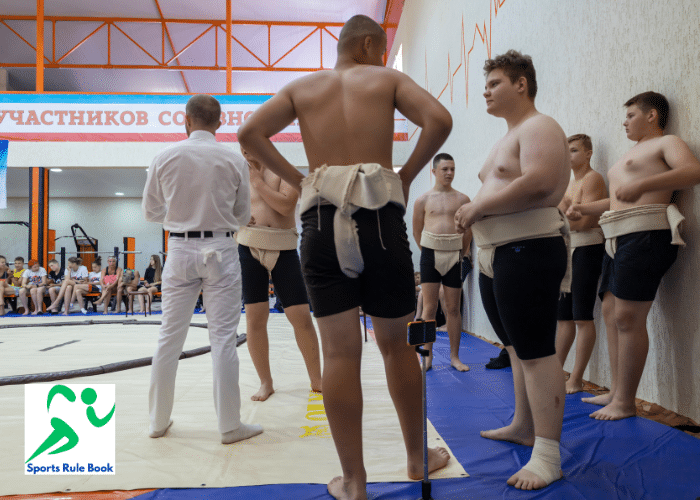
- Ring and Equipment: The dohyo, the ring where the matches take place, is made of clay and covered in a layer of sand. Wrestlers wear a loincloth called a “mawashi” and perform ceremonial rituals before the match.
- The Objective of Sumo Wrestling: The main objective in sumo wrestling is to either force the opponent out of the ring or make them touch the ground with a body part other than their feet.
- Basic Techniques in Sumo Wrestling: Wrestlers employ a variety of techniques, including pushing (oshi), grappling (yotsu), and throwing (nage). These techniques require strength, balance, and strategic thinking.
- Forbidden Techniques: Certain techniques, such as striking with closed fists, pulling the opponent’s hair, or attacking the groin area, are strictly forbidden in sumo wrestling.
- Scoring System in Sumo Wrestling: Matches in professional sumo are decided by a win/loss system. The first wrestler to step out of the ring or touch the ground with a body part other than their feet loses the match. If both wrestlers touch the ground simultaneously or if the decision is unclear, a rematch is held.
- Sumo Wrestlers’ Rankings and Divisions: Sumo wrestlers are ranked based on their performance in tournaments. The highest rank is Yokozuna, followed by Ozeki, Sekiwake, Komusubi, and Maegashira. There are also lower divisions where aspiring wrestlers start their careers.
- Sumo Wrestling Tournaments: Professional sumo wrestlers participate in six major tournaments, known as “honbasho,” throughout the year. These tournaments last for 15 days, and wrestlers accumulate wins and losses to determine their rank and performance.
Training and Lifestyle of Sumo Wrestlers
Sumo wrestlers undergo rigorous training and follow a disciplined lifestyle. They engage in intense physical exercises, practice specific sumo techniques, and maintain a strict diet to achieve their desired weight and strength.
Sumo Wrestling Outside of Japan
While sumo wrestling originated in Japan, it has gained popularity worldwide. Countries like the United States, Canada, and Europe have embraced the sport and established their own sumo wrestling associations, organizing tournaments and promoting its growth.
Cultural Significance of Sumo Wrestling
Sumo wrestling holds a significant place in Japanese culture. It is deeply intertwined with Shinto rituals, and its traditions and ceremonies reflect the country’s values of discipline, respect, and honor. Sumo wrestlers are highly respected figures, often seen as symbols of strength and dedication.
Benefits of Sumo Wrestling
Engaging in sumo wrestling offers several benefits, both physically and mentally. It improves strength, balance, agility, and overall fitness. The sport also instills discipline, respect, and perseverance in its practitioners, fostering personal growth and character development.
Conclusion
Sumo wrestling is a captivating sport that showcases the rich history and cultural heritage of Japan. Its rules and regulations create a dynamic and intense competition, combining strength, strategy, and tradition. Whether you are a fan or a practitioner, sumo wrestling offers an extraordinary experience that is both physically demanding and mentally rewarding.
FAQs
1. Is sumo wrestling only popular in Japan? No, sumo wrestling has gained popularity worldwide, with several countries embracing the sport and organizing their own tournaments.
2. Are there weight classes in sumo wrestling? No, sumo wrestling does not have strict weight classes. However, wrestlers often aim to achieve a certain weight and body composition to maximize their performance.
3. Can women participate in professional sumo wrestling? Currently, professional sumo wrestling in Japan is limited to men. However, there are female sumo wrestlers who compete in amateur and international competitions.
4. How are the rankings of sumo wrestlers determined? Sumo wrestlers’ rankings are based on their performance in tournaments. Wins and losses, as well as the rank of the opponent, contribute to the ranking system.
5. Is sumo wrestling purely a physical sport? While physical strength is crucial in sumo wrestling, the sport also requires strategic thinking, agility, and discipline. Wrestlers must employ various techniques and adapt their approach based on the opponent’s style.