Amazon Affiliate Disclaimer: This post may contain Amazon affiliate links which means we may receive a commission for purchases made through links.
Introduction: What Are The Rules For Orienteering?
Orienteering is an exciting outdoor sport that combines navigation and endurance. It challenges participants to navigate through unfamiliar terrain using only a map and a compass. In this article, we will explore the rules and guidelines that govern the sport of orienteering, from the basics to competition formats, safety guidelines, and etiquette.
Introduction
Orienteering, often referred to as the “thinking sport,” is a recreational and competitive activity that originated in Sweden in the late 19th century. It has since gained popularity worldwide and is now practiced by people of all ages and fitness levels. At its core, orienteering involves navigating from point to point in diverse natural environments, such as forests, parks, and mountains.
The Basic Rules of Orienteering
To participate in orienteering, understanding the basic rules is crucial. These rules ensure fair competition and the safety of all participants. Let’s explore some of the fundamental rules of orienteering.
Map Reading and Navigation
The foundation of orienteering lies in the ability to read and interpret maps. Competitors are provided with detailed topographic maps that contain important information about the terrain, such as vegetation, contour lines, water features, and man-made objects. They must navigate using the map and compass to locate control points in the correct sequence.
Control Points and Checkpoints
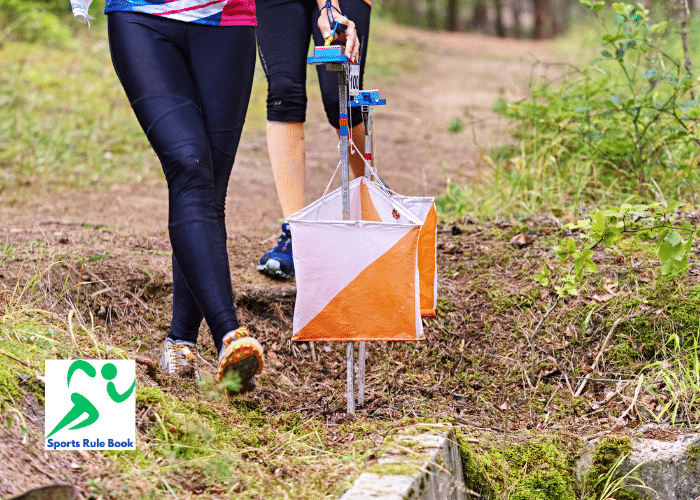
Control points are markers placed throughout the course, typically represented by orange and white flags. Each control point is uniquely identified by a number or letter. Competitors must visit these control points in the designated order and prove their visitation by using an electronic punching system.
Punching System
In modern orienteering, an electronic punching system is used to record a competitor’s visit to a control point. The system consists of a small device carried by the participant that registers their arrival at each control point. This ensures accurate timing and verification of the course completion.
Timekeeping
Competitors are required to start and finish within specified time intervals. Starting times are often staggered to prevent overcrowding on the course and ensure fair competition. Participants must manage their time effectively to complete the course within the designated time limit.
Mandatory Equipment
To ensure the safety of participants, certain equipment is required during orienteering events. The specific requirements may vary depending on the terrain and weather conditions but often include a whistle, a compass, appropriate footwear, and a map holder. It is essential to check the event regulations for the mandatory equipment list before participating.
Orienteering Competition Formats
Orienteering offers various competition formats, catering to different preferences and skill levels. Let’s explore some of the common formats in orienteering.
Foot Orienteering
Foot orienteering is the most common and traditional form of orienteering. Participants navigate on foot, following the designated course and locating control points in the shortest time possible. Foot orienteering courses can range from short urban races to long-distance wilderness challenges.
Ski Orienteering
Ski orienteering combines the skills of cross-country skiing and navigation. Participants use skis and poles to travel across snow-covered terrain, following the marked course and finding control points. Ski orienteering competitions are often held in winter sports resorts or specially prepared trails.
Mountain Bike Orienteering
Mountain bike orienteering, also known as MTBO, combines mountain biking and orienteering. Participants ride mountain bikes on off-road trails, following the course and visiting control points. MTBO events are usually held in forested areas or designated biking parks.
Trail Orienteering
Trail orienteering is a format that focuses on navigation skills rather than physical endurance. It is accessible to participants with limited mobility as it takes place on accessible paths and trails. Trail orienteering involves interpreting maps and solving navigation problems to identify control points.
Orienteering Course Difficulty Levels
Orienteering courses are designed to accommodate participants of different skill levels. Let’s explore the various difficulty levels commonly found in orienteering events.
Beginner Courses
Beginner courses are suitable for newcomers to the sport or those with limited navigation experience. These courses are typically shorter and have simpler navigation challenges, allowing participants to learn and practice basic orienteering skills.
Intermediate Courses
Intermediate courses present a moderate level of difficulty. They require participants to apply more advanced navigation techniques and make decisions based on the terrain features indicated on the map. These courses are ideal for individuals with some orienteering experience who want to further develop their skills.
Advanced Courses
Advanced courses offer a higher level of challenge, both physically and mentally. Participants are faced with complex navigation scenarios, requiring advanced map reading skills, route planning, and quick decision-making. Advanced courses are designed for experienced orienteers seeking a greater test of their abilities.
Elite Courses
Elite courses are reserved for highly skilled and experienced orienteers who compete at the highest level. These courses demand exceptional navigation skills, physical fitness, and mental focus. Elite competitions often attract top athletes from around the world and showcase the pinnacle of orienteering performance.
Safety Guidelines in Orienteering
While orienteering is a thrilling outdoor pursuit, it’s essential to prioritize safety. Here are some safety guidelines to consider when participating in orienteering events.
Preparing for the Terrain
Before heading out on a course, familiarize yourself with the terrain and any potential hazards. Be aware of steep slopes, cliffs, water bodies, or dense vegetation that may affect your route choice. Understanding the terrain will help you plan your navigation strategies more effectively.
Dressing Appropriately
Choose appropriate clothing and footwear for the terrain and weather conditions. Dress in layers to accommodate changes in temperature, and opt for lightweight, moisture-wicking fabrics that keep you comfortable during physical exertion. Ensure your footwear provides good traction and support.
Informing Others About Your Plans
Always inform someone, such as a friend or family member, about your orienteering plans. Share the details of the event, including the course you will be undertaking and the expected duration. This way, someone will be aware of your whereabouts and can raise the alarm if needed.
Staying Hydrated and Nourished
During orienteering events, it’s crucial to stay hydrated and nourished. Carry an adequate supply of water and energy-rich snacks to maintain your energy levels throughout the course. Regularly consume fluids and food to prevent dehydration and fatigue.
Monitoring Weather Conditions
Keep a close eye on weather forecasts before and during the event. Be prepared for changes in weather conditions and adjust your clothing and equipment accordingly. Avoid participating in orienteering during severe weather events or when conditions pose a significant risk to your safety.
Etiquette and Fair Play in Orienteering
In orienteering, fair play and good sportsmanship are highly valued. Here are some important guidelines to follow to ensure a positive experience for all participants.
Respecting Other Participants
Show respect and consideration for other orienteers on the course. Avoid interfering with their progress and maintain a fair distance between participants to avoid unnecessary competition or disruption.
Not Tampering with Controls
Controls, such as flags or electronic devices, are essential components of orienteering courses. It is strictly prohibited to move, hide, or tamper with controls. Respect the integrity of the course and the efforts put into its setup.
Reporting Any Issues or Concerns
If you encounter any issues or notice irregularities on the course, promptly report them to the event organizers. This includes missing or damaged controls, discrepancies in the map, or any safety concerns. Your feedback will help improve future events and ensure fair competition for all participants.
Preserving the Environment
Orienteering takes place in natural environments, and it’s important to minimize our impact on the surroundings. Respect protected areas, follow designated trails, and avoid damaging vegetation or disturbing wildlife. Leave no trace behind and strive to preserve the environment for future generations.
Conclusion
Orienteering is a fascinating sport that combines physical activity, mental stimulation, and a deep connection with nature. By adhering to the rules, practicing safety guidelines, and embodying fair play, participants can fully enjoy the thrill and challenge of orienteering. So grab your map and compass, explore the wilderness, and navigate your way to success in this exhilarating adventure.
FAQs
1. Is orienteering a dangerous sport? Orienteering, like any outdoor activity, carries certain inherent risks. However, by following safety guidelines, practicing good judgment, and being prepared, the risks can be minimized. It’s essential to assess your own capabilities and choose appropriate courses that match your skill level and experience.
2. Can children participate in orienteering? Absolutely! Orienteering is a sport suitable for people of all ages, including children. There are courses designed specifically for young participants, allowing them to develop navigation skills and enjoy the adventure in a safe and supportive environment.
3. Are there age restrictions in orienteering competitions? Orienteering competitions often have various age categories, ensuring fair competition within specific age groups. From youth events to masters categories, orienteering offers opportunities for participants of different age ranges to compete against their peers.
4. How long does an orienteering event typically last? The duration of an orienteering event can vary depending on the course and the individual participant’s speed. Shorter courses may take around 15-30 minutes to complete, while longer and more challenging courses can extend up to several hours for elite competitors.
5. Can I participate in orienteering without any prior experience? Absolutely! Orienteering welcomes beginners and provides courses specifically tailored for newcomers. Many events offer introductory sessions or training opportunities to help participants learn the necessary skills and gain confidence before venturing into more challenging courses.