Amazon Affiliate Disclaimer: This post may contain Amazon affiliate links which means we may receive a commission for purchases made through links.
Hurling, often referred to as the fastest field sport in the world, is a thrilling and dynamic game played primarily in Ireland. If you’re new to the sport or looking to brush up on the rules, you’ve come to the right place! In this article, we’ll explore the rules of hurling, from its ancient origins to the essential skills and techniques required to play the game.
Origins and History of Hurling
Hurling traces its roots back thousands of years, with evidence of similar stick-and-ball games being played in ancient civilizations. In Ireland, hurling has been played for centuries, steeped in rich tradition and cultural significance.
Objective of the Game
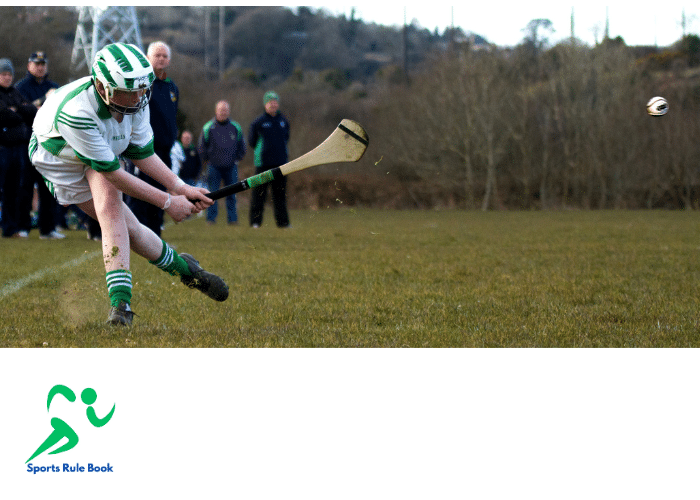
The objective of hurling is simple: to score more points than the opposing team. This is achieved by striking the sliotar (a small leather ball) with a hurley (a wooden stick) into the opponent’s goal or over the crossbar for a point.
Equipment and Field
Hurling requires minimal equipment, primarily consisting of a sliotar and a hurley. The game is played on a rectangular field, typically around 145-160 meters long and 85-90 meters wide. The field is marked with boundary lines and goalposts at each end.
Team Composition
Each team in hurling consists of 15 players, with positions ranging from goalkeeper to forwards. The players work together strategically to control the game, defend their goal, and launch attacks on the opposing team.
Rules of Hurling
Hurling has a unique set of rules that govern the gameplay. These rules ensure fairness, safety, and an exciting flow to the game. Some key rules include:
The Start of the Game
The game begins with a coin toss to determine the direction of play. The sliotar is then thrown into the air, and both teams contest possession.
Basic Skills and Techniques
Hurling requires players to master various skills, including striking, catching, and blocking the sliotar. Players use the hurley to control and propel the ball, employing quick reflexes and precise hand-eye coordination.
Scoring in Hurling
Points and goals are the two methods of scoring in hurling. A point is awarded when the sliotar goes over the crossbar, while a goal is scored when it crosses the goal line beneath the crossbar.
Fouls and Penalties
Certain actions are considered fouls in hurling, such as striking an opponent with the hurley or tripping them. Fouls result in penalties, including free hits or penalty shots, depending on the severity of the offense.
Substitutions and Timekeeping
Teams are allowed to make substitutions throughout the game to maintain energy and strategy. Hurling matches are divided into two halves, typically lasting 35 minutes each, with additional time added for stoppages.
Sportsmanship and Fair Play
Hurling places a strong emphasis on sportsmanship and fair play. Respect for opponents, officials, and the spirit of the game is encouraged, promoting a positive and enjoyable playing environment.
Hurling Competitions
Hurling is a highly competitive sport, and several competitions showcase the skills and talent of teams from various counties in Ireland. The All-Ireland Senior Hurling Championship is the most prestigious tournament, culminating in the All-Ireland Final.
Popular Hurling Terminology
Hurling has its own unique vocabulary, which adds to the charm and character of the sport. Terms such as “sideline cut,” “slíotar,” and “point blank save” are commonly used by players and fans alike.
Conclusion
Hurling is a fast-paced, exhilarating sport that has captivated generations with its speed, skill, and tradition. Whether you’re a player, spectator, or simply curious about this unique game, understanding the rules and nuances of hurling will enhance your appreciation for the sport.
FAQs
1. Is hurling only played in Ireland? While hurling originated in Ireland, it has gained popularity in other parts of the world, particularly among Irish diaspora communities.
2. Can women play hurling? Yes, hurling is played by both men and women. There are dedicated women’s hurling teams and competitions.
3. Are there age restrictions for hurling? Hurling can be played at various age levels, from youth leagues to senior teams. There are no specific age restrictions, but safety precautions should be considered for younger players.
4. How do you become a skilled hurler? Becoming a skilled hurler requires practice, dedication, and a love for the game. Regular training, honing fundamental skills, and participating in matches are essential for improvement.
5. Is hurling a dangerous sport? Like any sport, there are inherent risks in hurling. However, proper coaching, adherence to safety guidelines, and the use of protective equipment minimize the risks and ensure a safe playing environment.