Amazon Affiliate Disclaimer: This post may contain Amazon affiliate links which means we may receive a commission for purchases made through links.
Polo is an exhilarating and fast-paced sport that combines skill, strategy, and teamwork. If you’ve ever been intrigued by the sight of players on horseback, swinging mallets and chasing a small ball, then understanding the rules of polo will enhance your appreciation of this captivating sport. In this article, we’ll explore the rules, equipment, gameplay, and more, providing you with a comprehensive overview of polo.
A Brief History of Polo
Polo has a rich history that dates back centuries. Originating in ancient Persia, it was initially played as a training exercise for cavalry units. Over time, polo spread to other parts of the world, gaining popularity among nobility and eventually becoming an international sport enjoyed by players and spectators alike.
The Objective of the Game
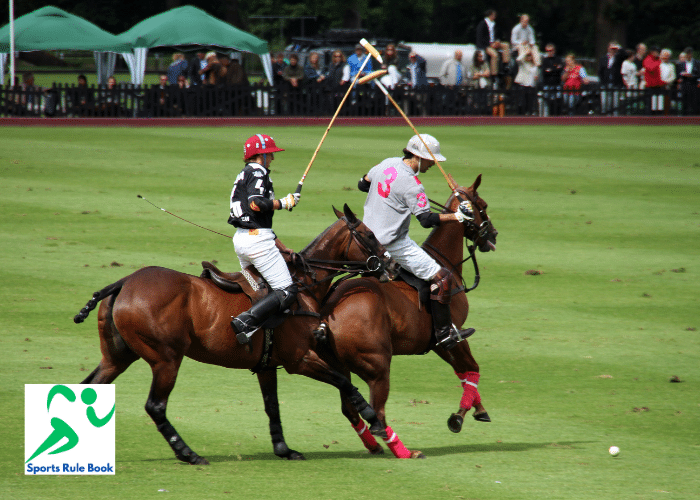
The objective of polo is simple: two teams on horseback compete to score goals by hitting a small wooden or plastic ball into the opposing team’s goal using long-handled mallets. The team with the most goals at the end of the game emerges as the winner.
Polo Equipment
To play polo, players require specific equipment. This includes a helmet for safety, knee guards for protection, and a polo mallet, which is used to strike the ball. The horses also wear protective leg wraps called bandages or boots.
Polo Field and Ground
Polo is typically played on a grass field that measures approximately 300 yards in length and 200 yards in width. The field is divided into halves by a center line, and goal posts are placed at each end.
Polo Team and Positions
A polo team consists of four players, each assigned a specific position. The positions are numbered from one to four, with number one being the most forward and number four being the most defensive. The positions determine the players’ roles and responsibilities during the game.
Polo Rules and Gameplay
Polo is played in timed periods called chukkers, which usually last around seven minutes. The game begins with a throw-in at the center of the field, and the players race to gain control of the ball. The rules govern aspects such as right of way, offside, and the line of the ball, ensuring fair and safe gameplay.
Fouls and Penalties
Fouls can occur during a polo match, and penalties are enforced to maintain fair play. Common fouls include crossing the line of the ball, dangerous riding, and hooking an opponent’s mallet. Penalties range from a free hit to awarding goals to the opposing team.
Scoring in Polo
To score a goal in polo, a player must hit the ball between the goal posts. Each successful goal adds one point to the scoring team’s total. The team with the highest score at the end of the game is declared the winner.
Strategy and Tactics
Polo is not just about hitting the ball; it also involves strategy and tactics. Players must anticipate their teammates’ moves, position themselves strategically on the field, and communicate effectively to execute successful plays.
Polo Tournaments and Events
Polo tournaments and events are held worldwide, ranging from local competitions to prestigious international championships. These events showcase the skill and talent of polo players and attract enthusiasts from all walks of life.
Safety Measures in Polo
Safety is of utmost importance in polo. Players wear helmets and protective gear to minimize the risk of injuries. The welfare of the horses is also a priority, with strict guidelines in place to ensure their well-being during matches.
Polo Etiquette
Polo has a set of unwritten rules and etiquette that players and spectators follow. This includes shaking hands before and after a match, taking care of the field, and respecting the umpires’ decisions.
Benefits of Playing Polo
Playing polo offers numerous benefits, both physical and mental. It improves coordination, balance, and cardiovascular fitness. Additionally, the camaraderie and teamwork fostered in the sport contribute to personal growth and social connections.
Conclusion
Polo is an exciting sport that combines equestrian skills, strategy, and teamwork. By understanding the rules, equipment, and gameplay, you can fully appreciate the artistry and intensity of this remarkable sport. Whether you’re a player or a spectator, polo offers an experience like no other.
FAQs
1. Can anyone play polo? Yes, anyone can play polo with proper training and access to horses. Polo clubs often offer lessons for beginners.
2. How fast do polo horses run? Polo horses can reach speeds of up to 35 miles per hour during a match, showcasing their agility and athleticism.
3. Are there different types of polo? Yes, there are variations of polo played worldwide, including arena polo, beach polo, and snow polo, each with its own unique characteristics.
4. How many chukkers are played in a polo match? The number of chukkers played in a match can vary, typically ranging from four to eight, depending on the level of play and the tournament format.
5. Is polo a dangerous sport? Polo carries inherent risks, considering the fast-paced nature and the involvement of horses. However, with proper training, adherence to safety measures, and skilled horsemanship, the risks can be minimized.